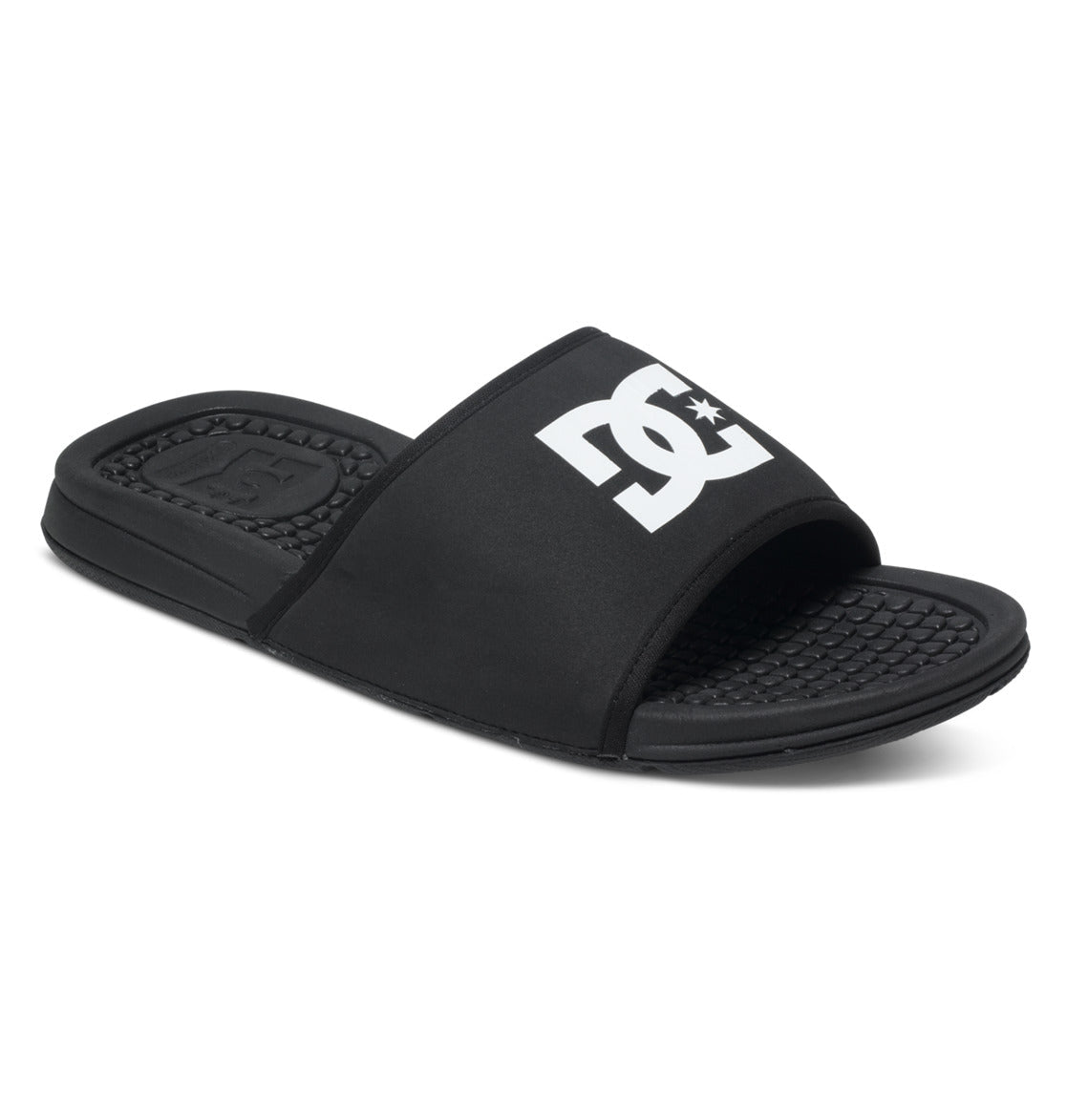
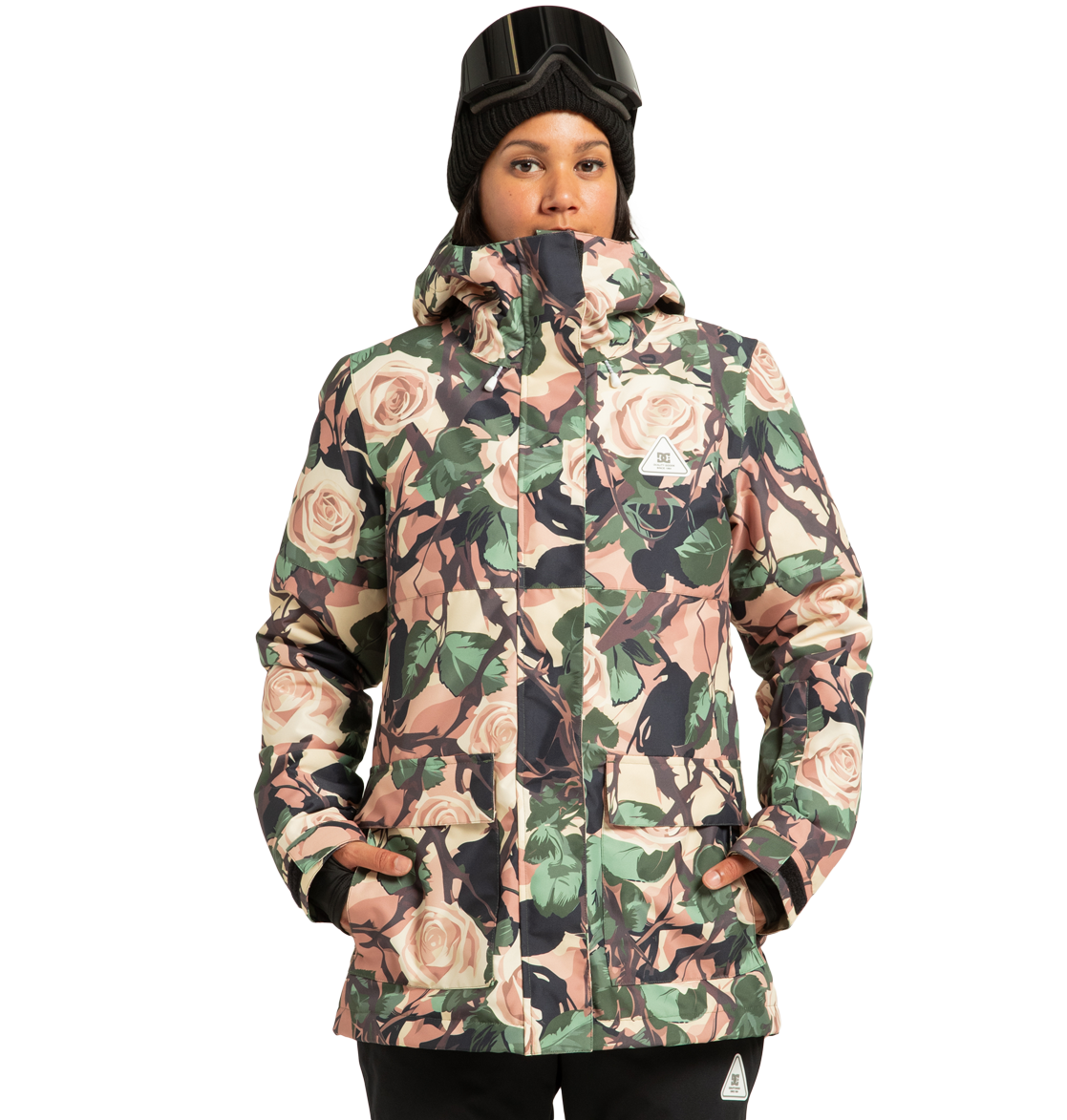
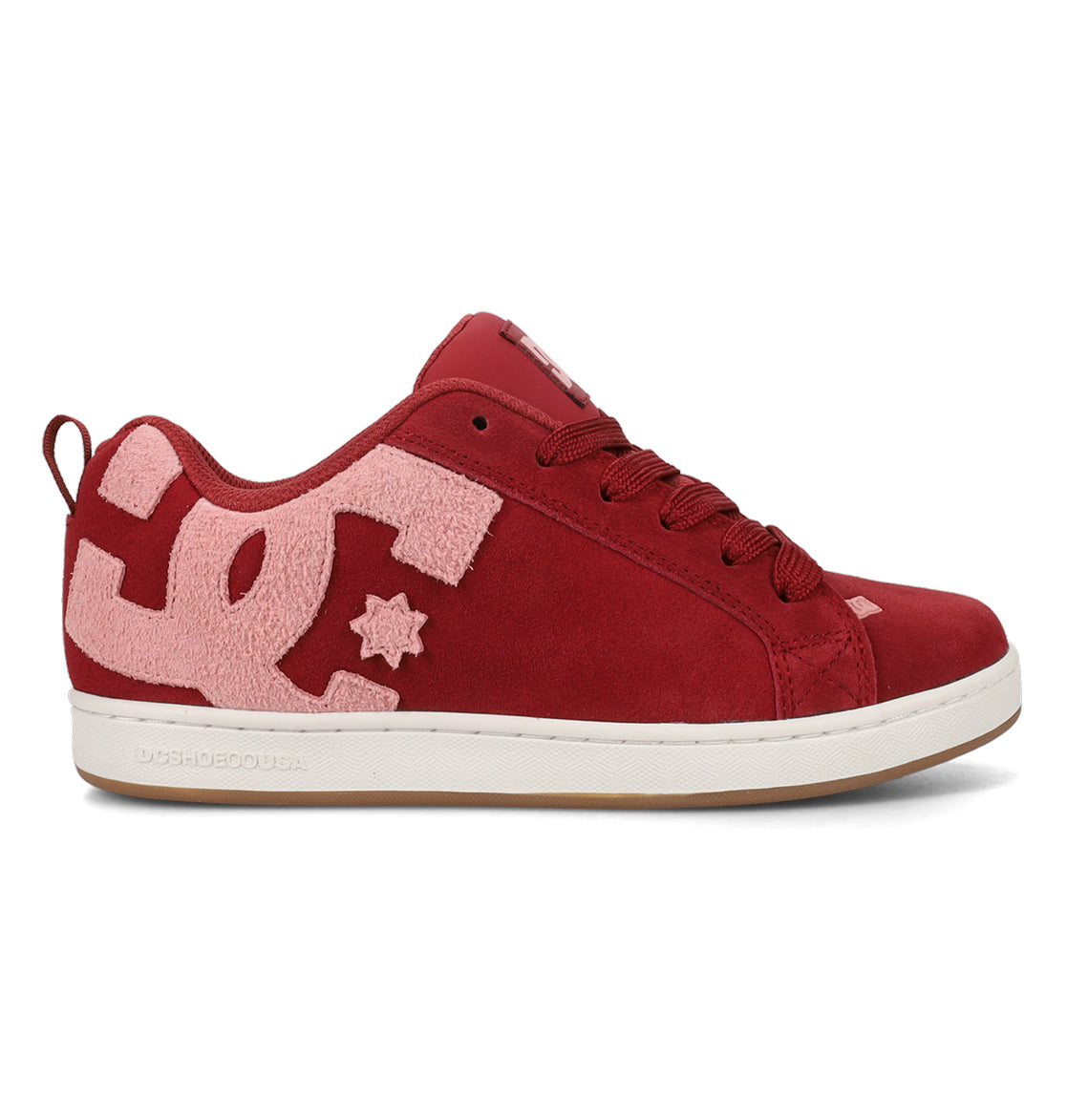
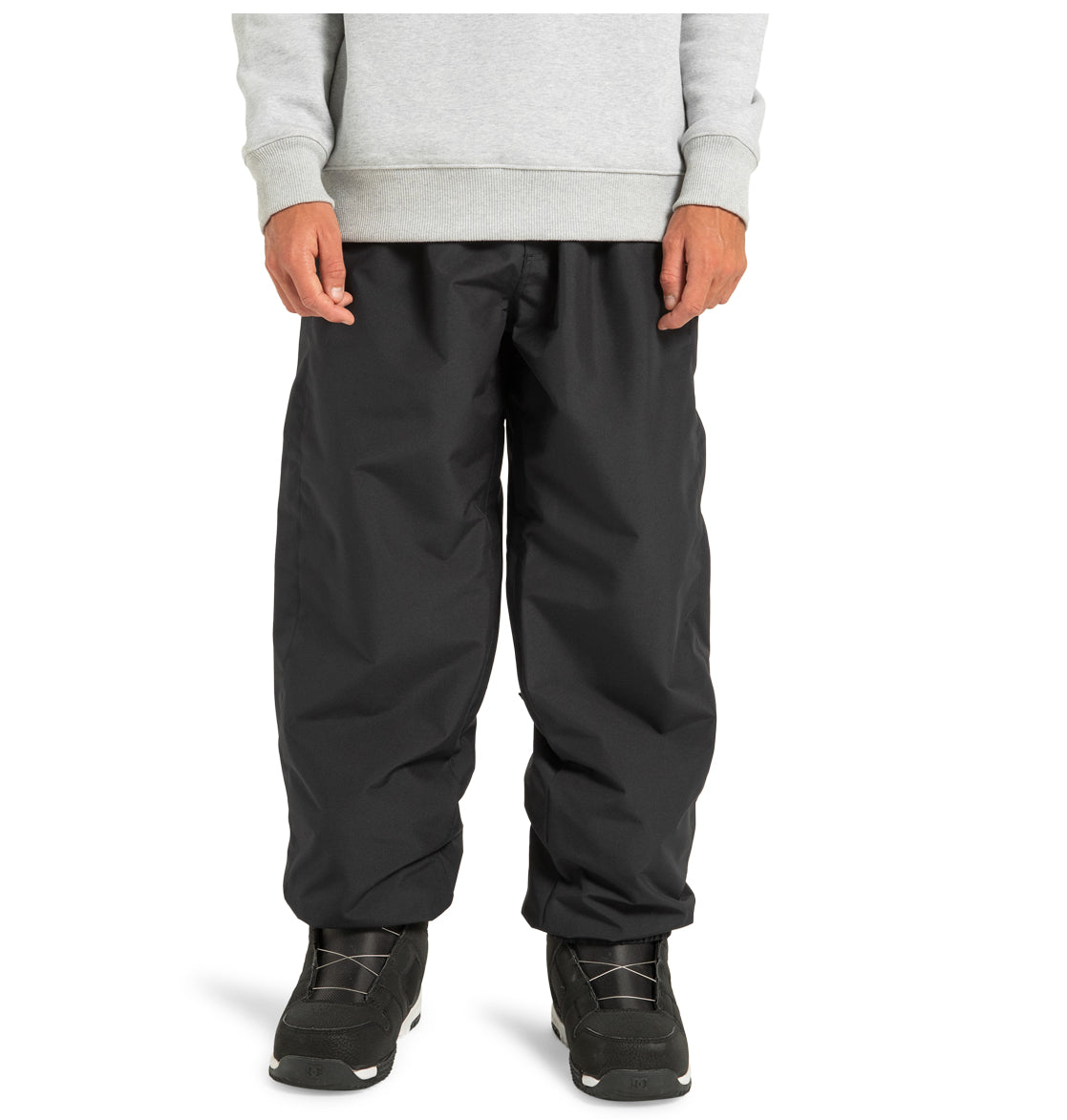
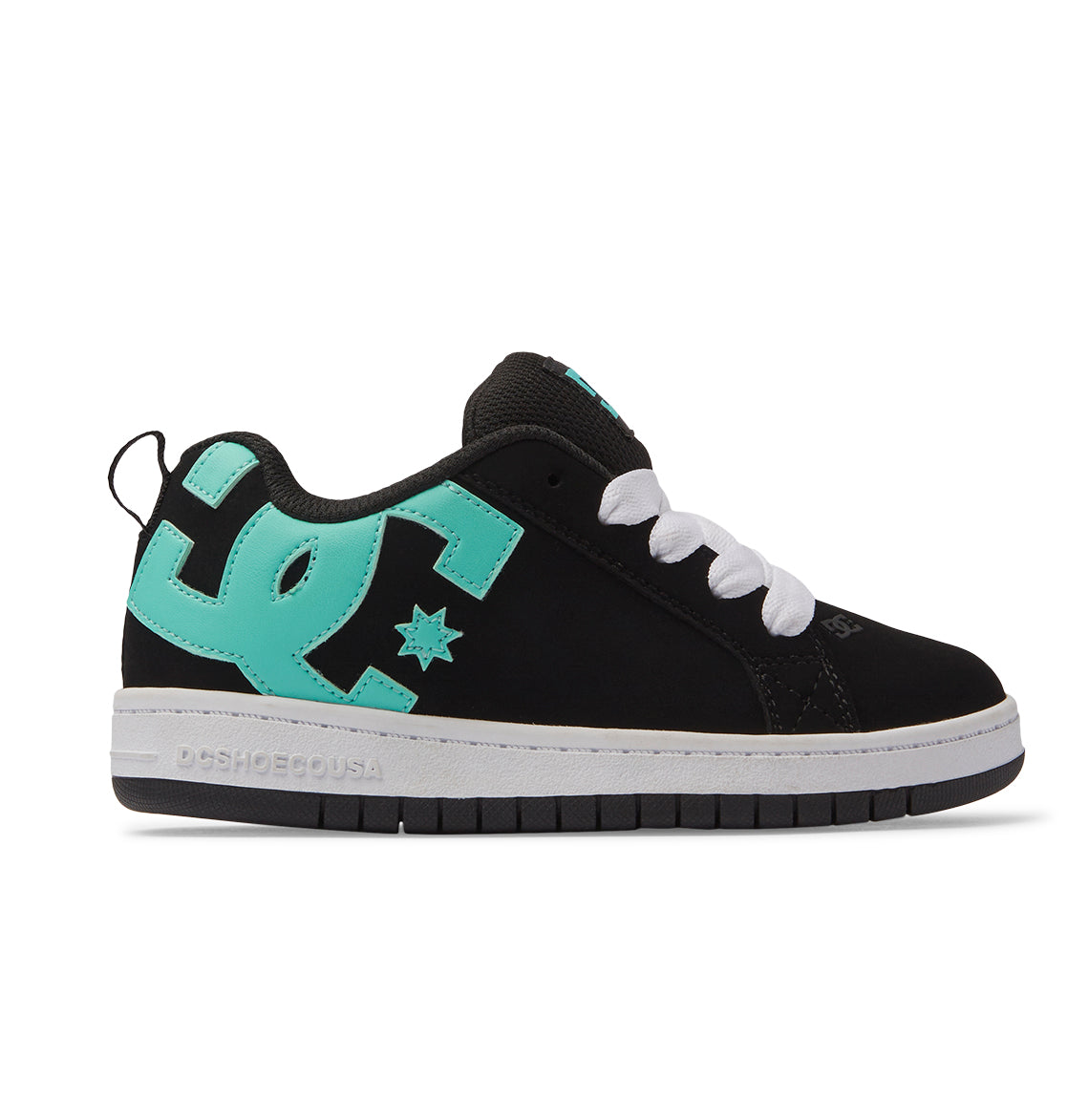
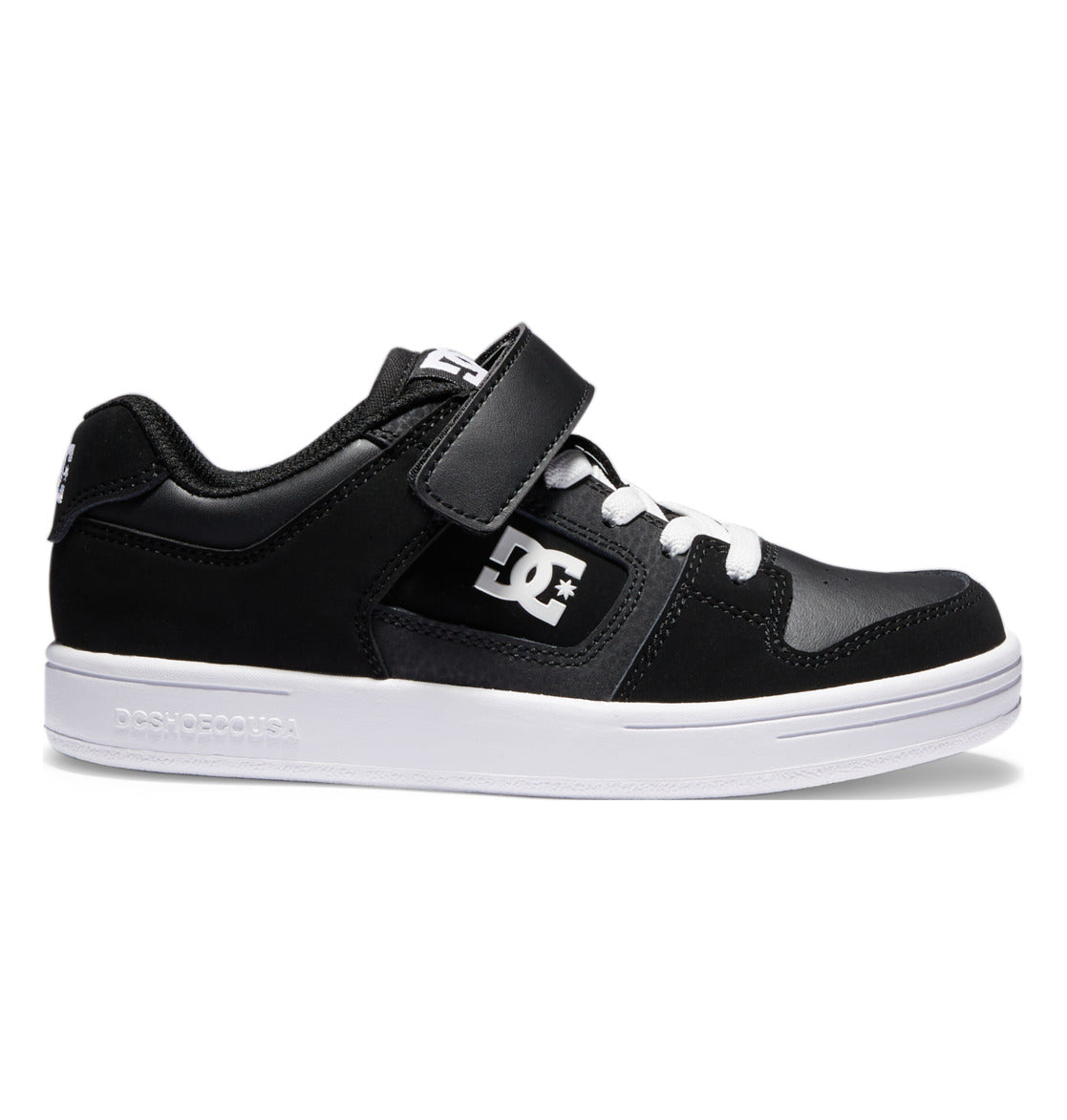
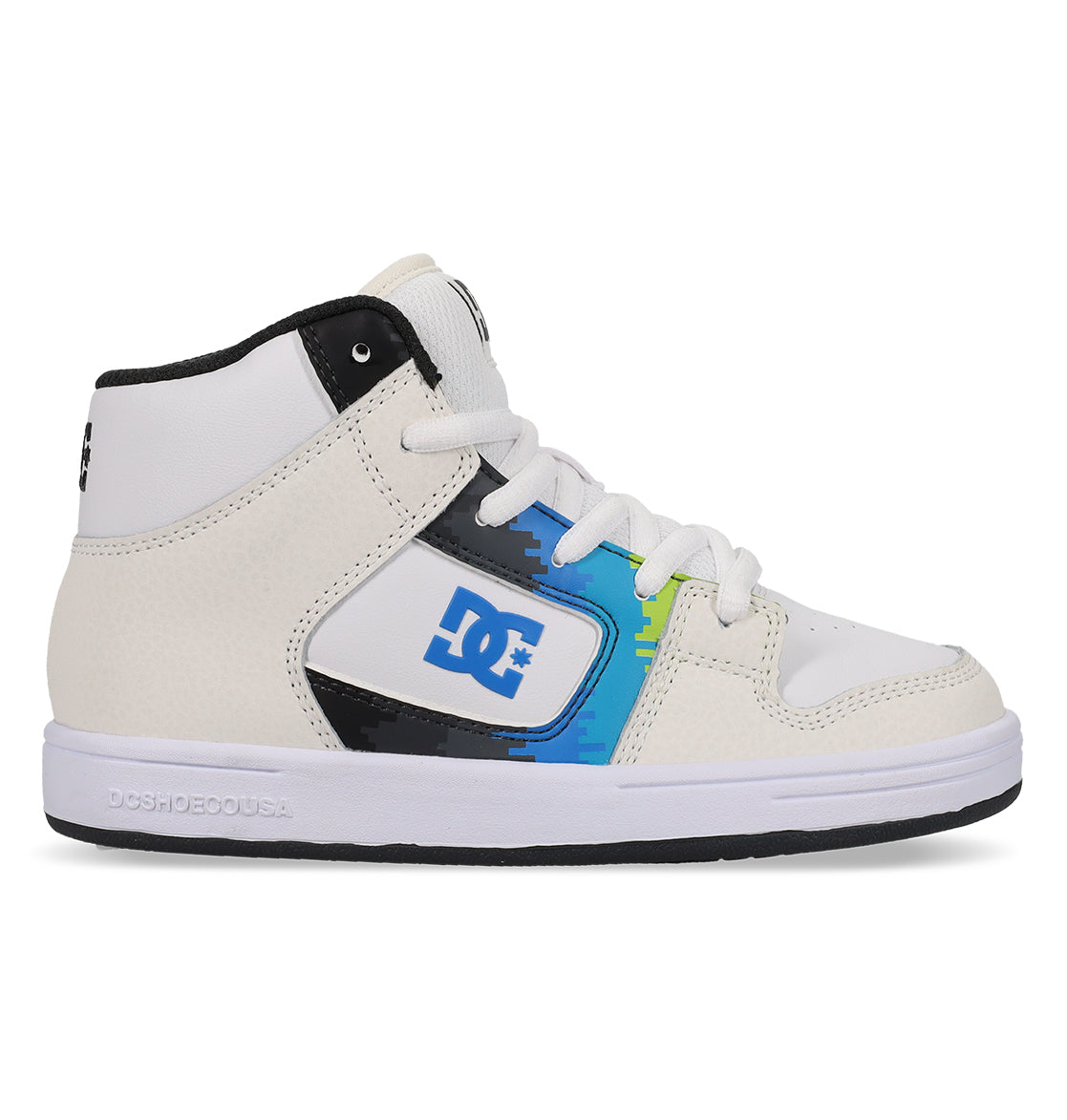
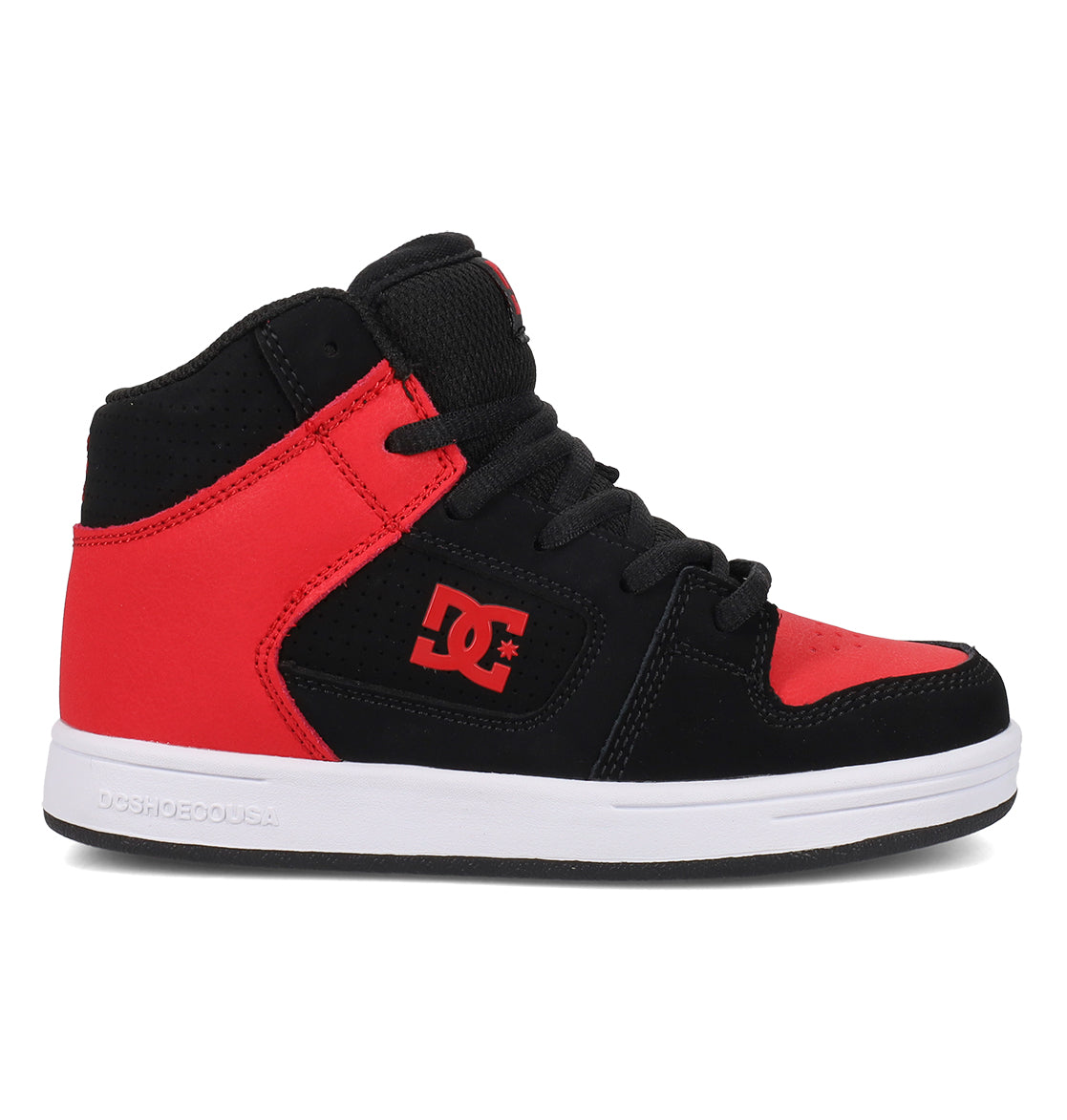
How Clothing and Shoes Influence Social Interactions.
Social interactions are shaped not only by verbal communication but also by countless subtle signals, many of which come from clothing and shoes. These elements provide visual cues that influence first impressions, emotional responses, and interpersonal dynamics. Understanding how outfits affect social experiences helps individuals dress with greater awareness and intention.
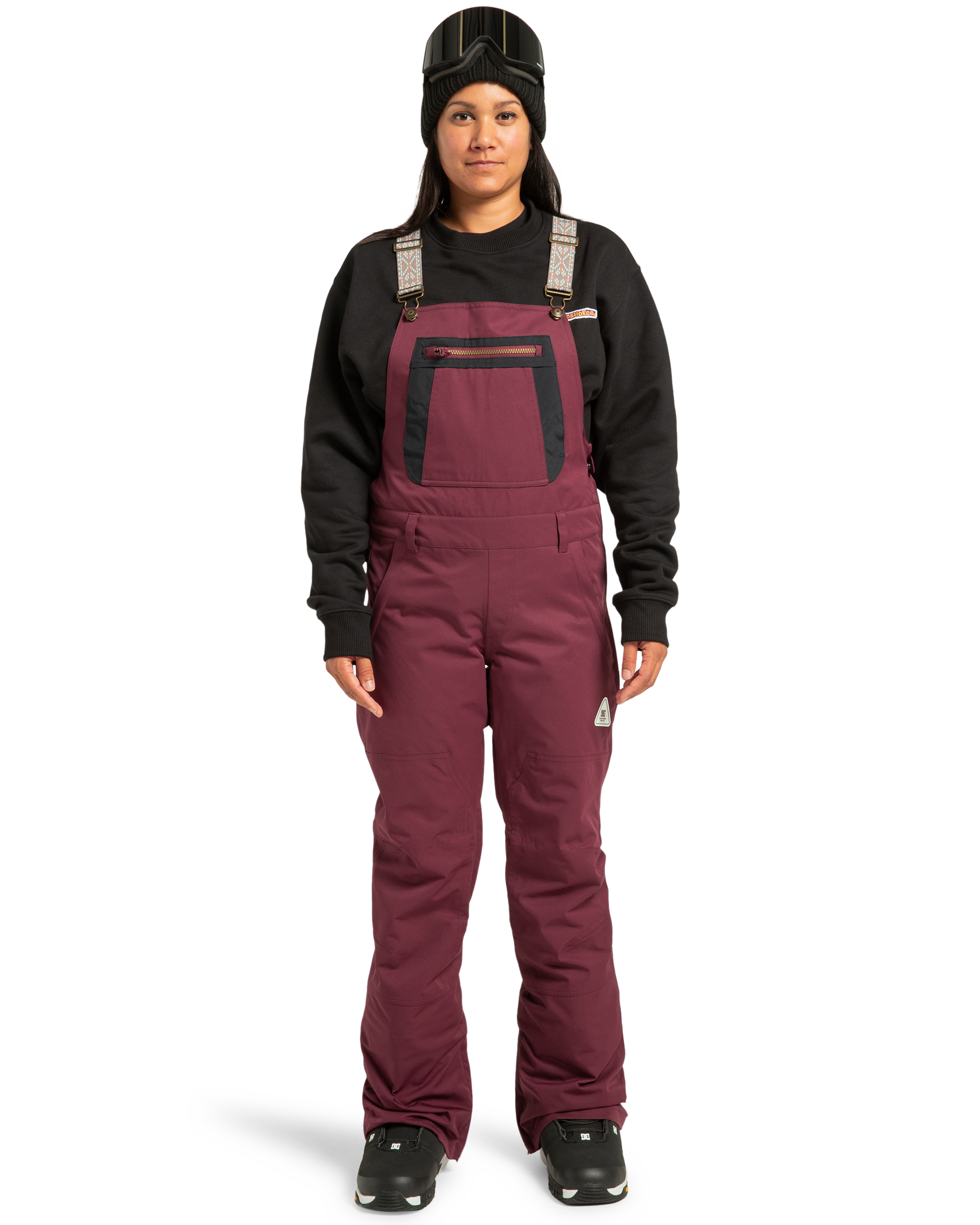
Clothing serves as an immediate form of nonverbal communication. Before any conversation begins, people interpret visual details such as color, texture, fit, and silhouette. Soft, relaxed garments may signal approachability, while structured outfits might convey confidence or determination. Shoes reinforce these interpretations by grounding the overall look and suggesting the wearer’s level of preparedness, stability, or expressiveness.
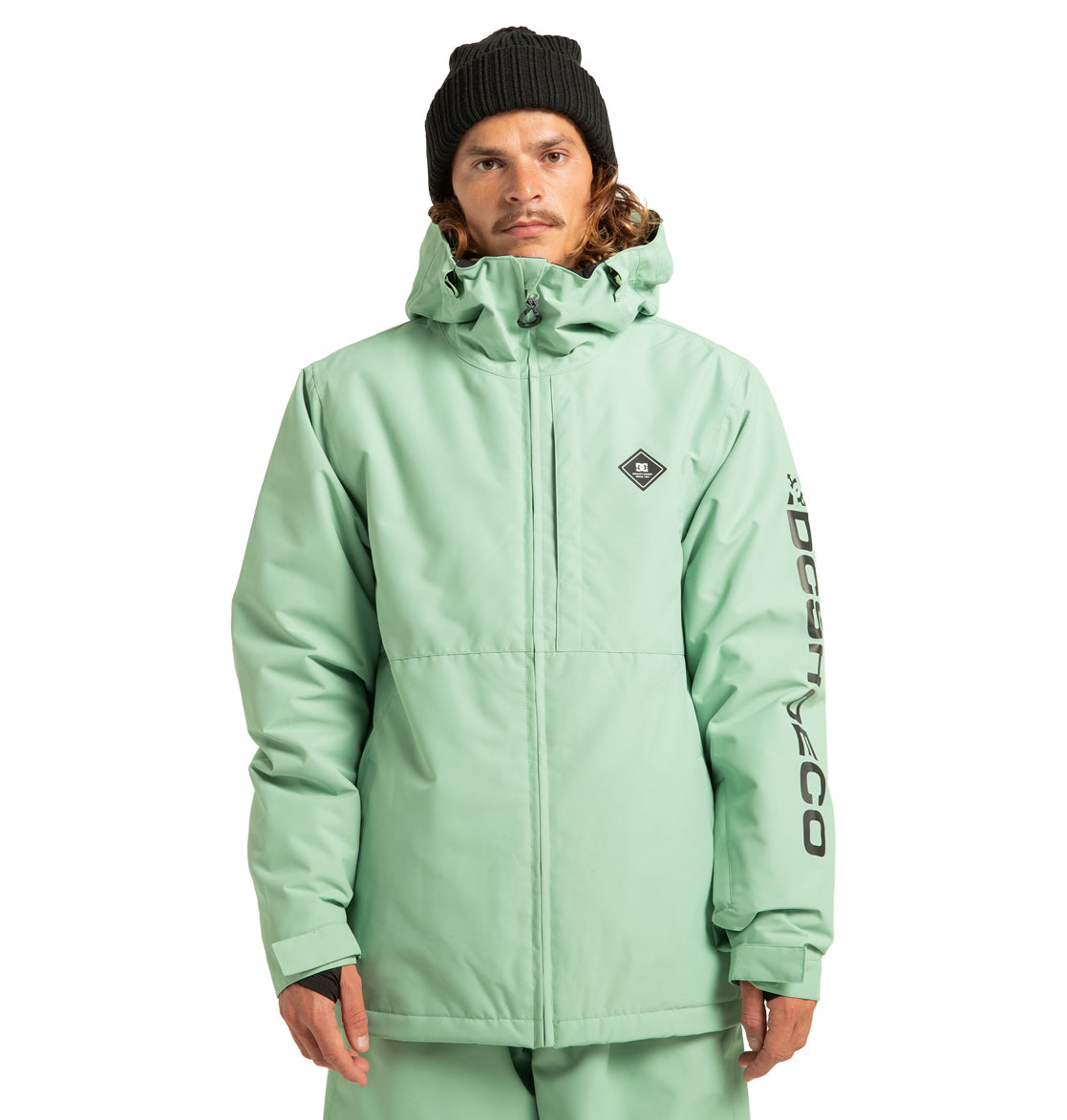
Color is one of the strongest influences on social perception. Calm tones may suggest thoughtfulness and reliability, while brighter tones often express energy or creativity. Individuals who select colors intentionally can shape the atmosphere of their social interactions. Shoes, when harmonized with these tones, strengthen the chosen emotional message.
Fit also affects social dynamics. Clothing that sits well on the body appears intentional and suggests self-awareness. When garments fit comfortably, individuals are more likely to stand tall, move confidently, and engage actively in conversations. Shoes that support the natural shape of the foot further enhance ease and presence, allowing individuals to feel grounded in social settings.
Texture brings another layer of meaning. Smooth, refined fabrics may communicate subtle elegance, while textured materials express individuality and character. Combining these textures thoughtfully creates visual interest without overwhelming the senses. Shoes contribute through their own textures, whether soft, structured, or intricately detailed.
Clothing also plays a role in creating social boundaries or connections. For instance, outfits that align with certain activities or gatherings help build a sense of belonging, making interactions more fluid. When individuals feel comfortable in their clothing, they project ease, encouraging others to respond with warmth. Shoes support this by promoting physical comfort, helping individuals remain engaged and attentive.
In more formal settings, clothing can establish professionalism. Clean lines, balanced silhouettes, and cohesive combinations signal readiness and attention to detail. Comfortable, supportive shoes prevent distractions and help individuals maintain focus throughout long periods of standing or walking. These qualities contribute to successful, confident communication.
Clothing also influences social energy. Light, flowing garments may create a relaxed, open atmosphere, while sharper silhouettes may foster focus. Shoes affect energy similarly by determining movement style—soft, flexible footwear supports calmness, while more structured designs encourage alertness. These small details subtly shape social interactions throughout the day.
Personal expression is another cornerstone of social connection. When individuals wear outfits that align with their identity, they naturally exude confidence and authenticity. This authenticity encourages others to engage more openly. Shoes reinforce this authenticity by providing comfort and stability that supports natural movement.
Even small adjustments in clothing can shift social experiences. Rolling sleeves, adding layers, or choosing a different texture can change the tone of an interaction. Shoes with varied shapes or details can achieve similar effects. Understanding these nuances allows individuals to tailor their presence based on context, mood, or desired outcomes.
Ultimately, clothing and shoes act as tools that shape social experiences in subtle yet powerful ways. They influence first impressions, emotional responses, self-confidence, and the flow of interactions. When chosen thoughtfully, they enhance communication and help individuals express themselves with clarity and intention. By understanding this dynamic, anyone can use clothing and shoes to foster positive, meaningful connections in daily life.